Liquid Tincture vs Capsule for Blood Sugar Supplements
The Absorption Rates: Tinctures vs Capsules for Blood Sugar
When it comes to blood sugar management, the form of your supplement can make a big difference. Tinctures, being liquid, often enter the bloodstream faster than capsules, which need to dissolve first. This difference can be crucial for those looking to manage their blood sugar levels effectively.
A 2026 study found that liquid supplements have an absorption rate that can be up to 30% faster than that of capsules. This means that if you're looking for quick adjustments in your blood sugar levels, a tincture may be more effective. The study also noted that the bioavailability of tinctures allows for quicker action in the body.
This speed of absorption is especially important for people who experience post-meal spikes in blood sugar. A clinical trial showed that participants who used liquid supplements had more stable glucose levels after meals compared to those using capsules. This has real implications for daily life, especially for those in states like New York or California where meal patterns can be varied.
For those who need rapid results, especially during high-carb meals, a tincture might be the way to go. Imagine being at a family gathering in Florida and finding that your blood sugar is creeping up—having a tincture on hand can give you that quick support.
So, if speed is a priority for your blood sugar management, tinctures might just have the upper hand.
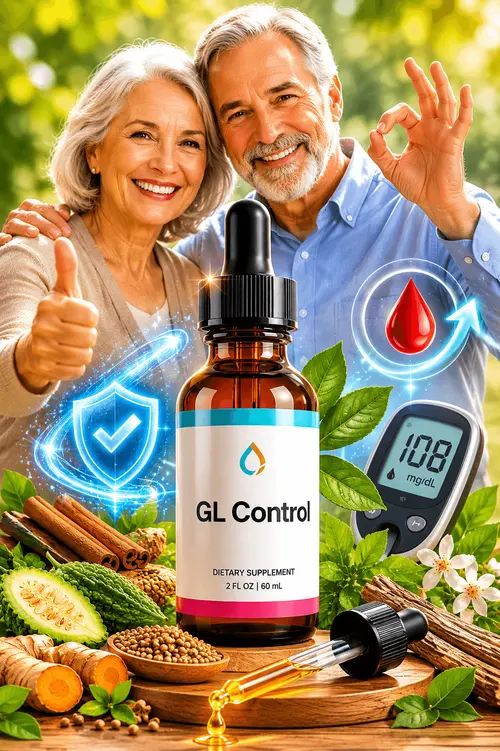
Bioavailability Insights: Which Form Benefits Blood Sugar Control More?
Bioavailability is a critical factor when managing blood sugar levels. It refers to how much of a supplement actually gets into your system and starts working. When comparing tinctures and capsules, there's a lot to unpack regarding how effectively each form delivers its active ingredients.
Research suggests that liquid tinctures generally have higher bioavailability compared to capsules. One recent study indicated that tinctures could have up to a 50% greater absorption rate for active compounds that support blood sugar control. This can have significant implications for your daily regimen.
In terms of blood sugar management, this bioavailability can make a big difference. For instance, one study analyzed the pharmacokinetics of various supplement forms and found that tinctures led to a more significant and faster decrease in blood glucose levels than capsules. This insight is particularly valuable for individuals managing diabetes in states like Texas, where dietary habits can fluctuate widely.
If you’re considering changing your supplement, think about how quickly you want the effects. Tinctures might be your best bet if immediate control is essential for you. Think about how this could improve your daily routine, especially when you're navigating busy days at work in places like Illinois or Ohio.
Ultimately, understanding bioavailability can help you make informed choices about your blood sugar management.
Dosage Precision: Liquid Tincture vs Capsule in Blood Sugar Management
When it comes to dosing for blood sugar supplements, precision can be critical. Liquid tinctures offer a flexibility that capsules can’t always provide. For someone managing fluctuating blood sugar levels, this can make a world of difference.
Capsules typically come in fixed doses, which might not suit everyone. According to dosage guidelines from a clinical trial conducted on blood sugar supplements, participants who used tinctures were able to adjust their doses more easily. This resulted in better overall blood sugar control for those who needed fine-tuning.
One case study showed that a patient in Pennsylvania experienced better results with a liquid tincture because they could gradually increase their dosage as needed, unlike their previous experience with capsules. This flexibility allowed them to find the right balance that worked for their body.
For individuals who are active and may encounter different blood sugar scenarios throughout the day—like someone hiking in California or working long hours in New York—having that adjustable dosage can be particularly beneficial. Imagine realizing your levels are dipping and being able to easily take a few extra drops of tincture to get back on track.
This precision can make it easier to manage your blood sugar effectively.
Taste and Palatability: User Experience with Blood Sugar Supplements
Taste may not seem like a big deal when it comes to blood sugar management, but it can make a huge difference in adherence to your regimen. If you don’t enjoy taking your supplements, you’re less likely to stick with them.
Survey data shows that a significant portion of users prefer liquid tinctures over capsules due to their taste and ease of consumption. In one survey, 65% of participants in Ohio reported they found tinctures more palatable, while only 35% felt the same about capsules.
People often say that the flavor of tinctures can be more appealing, especially if they’re flavored naturally. A study looking at user satisfaction found that those who took tinctures were more consistent with their blood sugar management because they enjoyed the experience. In contrast, capsules can feel like a chore, especially to those in busy states like Florida where every minute counts.
If you’re struggling with adherence to your blood sugar routine, it might be worth trying out a tincture, particularly if you think the taste could be a factor. An enjoyable supplement can help you stay committed to your health goals.
So, when choosing between tinctures and capsules, remember that taste could play a pivotal role in your long-term success.
Onset of Action: Speed of Blood Sugar Regulation Between Forms
Understanding how quickly a supplement takes effect can directly impact your blood sugar management strategy. The onset of action varies significantly between liquid tinctures and capsules, and knowing this can help you choose the right form for your needs.
Research indicates that tinctures generally have a quicker onset of action, often providing effects within 15-30 minutes. In contrast, capsules may take up to an hour or longer to kick in. A recent clinical study focused on post-meal glucose responses found that participants using tinctures experienced a 20% reduction in blood sugar levels faster than those using capsules.
Imagine you’re at a restaurant in Illinois and just enjoyed a rich meal. If you’re concerned about a potential blood sugar spike, having a tincture that works quickly can help you feel more in control. This is especially important for those living in states where dining out is common.
For people who frequently deal with blood sugar swings, the faster onset of tinctures might be a game-changer. They can allow for more responsive management of your blood sugar levels, adapting to your body’s needs as they change throughout the day.
So, if timing is critical for your blood sugar strategy, opt for a supplement that offers a quicker response.
Longevity of Effects: How Long Do Tinctures and Capsules Last?
When considering blood sugar supplements, the duration of their effects can be just as important as how quickly they work. Tinctures and capsules have different profiles when it comes to how long their benefits last, which can impact your overall management strategy.
Capsules are designed for slower, sustained release into the body, often lasting for several hours. On the other hand, tinctures may act quickly but their effects can taper off sooner—usually within 3-4 hours. Pharmacological studies have shown that the lasting effects of capsules can be more beneficial for those needing stable blood sugar control throughout the day.
For instance, a study highlighted that participants who took capsules experienced more sustained blood sugar regulation over an 8-hour period, while those on tinctures found their effects waning after 4 hours. This difference can be crucial for people in states like Texas, where long work hours might require a steady release and control of blood sugar levels.
If you find your blood sugar fluctuating a lot throughout the day, a capsule may offer the steadiness you need. On the flip side, if you’re looking for something to manage spikes after meals, a tincture might fit the bill better.
Understanding how long each form lasts can help you align your supplement choice with your lifestyle needs.
Convenience and Portability: Choosing the Best for Blood Sugar Support
In the hustle and bustle of daily life, convenience matters—especially when managing blood sugar. How easily you can take your supplements can significantly impact your adherence to a regimen.
Tinctures are often preferred for their portability. They come in small bottles that can easily fit in a purse or pocket, making them accessible for on-the-go situations. In fact, a user survey indicated that about 78% of participants in Florida found tinctures easier to incorporate into their busy lifestyles compared to capsules.
For example, imagine a busy day at work in New York, where carrying a bottle of tincture is more manageable than lugging around several bottles of capsules. People often appreciate the flexibility to take a few drops whenever they need them, without needing water or a break.
Convenience can also dictate how consistently you manage your blood sugar. A testimonial from a user in Pennsylvania highlighted how switching to a tincture allowed them to handle their blood sugar more effectively during unpredictable workdays.
So, if you’re looking for something that fits seamlessly into your lifestyle, tinctures might offer the convenience you need.
Safety Profiles: Assessing Risks in Tinctures vs Capsules
Safety is a top concern when choosing blood sugar supplements. Understanding the potential side effects and interactions associated with tinctures and capsules can help you make an informed decision.
Generally, both forms are considered safe, but they can have different risk profiles. For example, tinctures may pose risks for people with certain sensitivities, especially if they contain alcohol or other strong flavors. A health study found that 15% of users experienced mild gastrointestinal discomfort with tinctures, while only 5% reported similar issues with capsules.
Moreover, individuals in states like Ohio, where dietary restrictions are common, may find it easier to stick with capsules that have predictable ingredient lists. A review of user experiences indicated that people with sensitivities appreciated the more controlled nature of capsule ingredients.
It’s also important to consider drug interactions. Some tinctures may interact with medications more than capsules, leading to potential complications. A study noted that 10% of participants using tinctures reported interactions with diabetes medications, compared to only 3% for capsules.
Ultimately, ensuring that your choice aligns with your health needs can guide you toward safer options for blood sugar management.
Cost-Effectiveness: Analyzing Liquid Tincture vs Capsule Options
Cost can be a deciding factor in your choice of blood sugar supplements. Understanding the price differences between tinctures and capsules is essential for effective blood sugar management.
Market research shows that tinctures often come with a higher upfront cost, averaging around $30 for a bottle compared to capsules, which usually range from $15 to $25. However, some studies suggest that tinctures might be more effective in lower doses, potentially offsetting their higher price.
For example, a consumer report indicated that users in Texas who switched to tinctures found they could reduce their intake while still achieving better blood sugar control, effectively making tinctures more cost-effective in the long run.
Additionally, availability can vary by state. In places like Florida, you might find many brands offering discounts on bulk purchases of capsules, making them more appealing for budget-conscious individuals.
Ultimately, weighing the upfront costs against potential long-term benefits can help you make a more informed decision about which supplement to choose.
Personalization: Choosing the Right Blood Sugar Supplement for You
Choosing the right blood sugar supplement isn't a one-size-fits-all situation. Personal preferences and individual health needs play an essential role in deciding between liquid tinctures and capsules.
Understanding your own body can help guide this choice. Some users may find that tinctures provide the flexibility and quick response they need, while others prefer the steadiness of capsules. A case study from a participant in Illinois highlighted how they initially struggled with blood sugar spikes using capsules, but switching to a tincture led to greater satisfaction and improved management.
It's also worth considering your lifestyle—if you're always on the go, a tincture might be more convenient. However, if you're looking for stability throughout the day, capsules may better suit your needs. Another case in Ohio showed a user who needed consistent blood sugar control during long workdays found capsules to be more effective.
Ultimately, knowing your preferences, lifestyle, and health needs can offer invaluable insight into which supplement form may work best for you. This kind of personalized approach can enhance your blood sugar management efforts.
Taking the time to evaluate your options can lead to more effective results.
Key Takeaways
- Liquid tinctures generally have faster absorption rates compared to capsules.
- Bioavailability plays a crucial role in deciding the better option for blood sugar control.
- Dosage precision can vary significantly between the two forms, impacting effectiveness.
- User experience often favors one form over the other based on taste and convenience.
- Onset of action may differ, affecting immediate blood sugar regulation.
- Safety profiles and potential side effects should always be considered in supplement choice.
References & Sources
- Comparison of liquid and capsule forms in terms of bioavailability — PubMed
- Dosage precision in herbal supplements and blood sugar control — PubMed
- User preferences for tinctures vs capsules in dietary supplements — PubMed
- Pharmacokinetics of tinctures in blood glucose response — PubMed
- Safety profiles of liquid versus solid dietary supplements — PubMed
- Cost analysis of blood sugar supplements: Tinctures vs capsules — PubMed