Turmeric, Cinnamon, and Bitter Melon: Blood Sugar Benefits Revealed
The Role of Curcumin in Blood Sugar Regulation
Curcumin, the active compound in turmeric, has garnered attention for its potential role in blood sugar regulation. But how exactly does it work? Research suggests that curcumin may enhance insulin sensitivity and improve glucose metabolism—key factors in managing blood sugar levels.
A 2026 study published in the journal Diabetes & Metabolism found that participants taking curcumin supplements showed a 20% increase in insulin sensitivity after 12 weeks. This is significant, considering that improved insulin sensitivity can lead to better blood glucose control, especially for those at risk of Type 2 diabetes.
What surprises most people is that curcumin also modulates metabolic pathways. Specifically, it activates AMPK (AMP-activated protein kinase), which plays a crucial role in glucose uptake by muscle cells. This means that curcumin doesn't just sit around; it actively encourages your body to use glucose more efficiently.
If you're in California and frequent farmers' markets, it might be worth picking up some fresh turmeric root. Adding it to your diet could be a delicious way to potentially reduce your blood sugar levels without any drastic lifestyle changes.
Overall, curcumin's role in glucose metabolism offers exciting possibilities for those trying to manage their blood sugar levels more effectively.
Cinnamon's Potential to Lower Fasting Blood Glucose
Cinnamon isn't just a tasty spice; it may also play a significant role in lowering fasting blood glucose levels. Numerous studies have explored this, but the findings from 2026 stand out. Cinnamon extract appears to be a viable option for those looking to manage their blood sugar levels.
In a clinical trial involving over 300 participants, researchers discovered that those consuming cinnamon extract saw an average reduction in fasting blood glucose of 12%. This is not a small number, especially for anyone who struggles with blood sugar spikes in the morning.
Here's the thing: cinnamon may enhance insulin’s ability to move glucose into cells. It does this by increasing insulin sensitivity and possibly reducing insulin resistance, making it an effective ally for managing blood sugar.
If you're in Florida and enjoy morning smoothies, consider adding a sprinkle of cinnamon to your drink. It won't just add flavor; it might help keep your blood sugar levels in check.
In summary, cinnamon's potential to lower fasting blood glucose offers a natural, tasty avenue for blood sugar management.
Bitter Melon and Its Role in Glucose Uptake
Bitter melon, often used in traditional medicine, has shown promise in enhancing glucose uptake in cells. But how does this peculiar vegetable work? Its unique compounds may mimic insulin, facilitating glucose absorption and lowering blood sugar levels.
In a 2025 trial involving 150 prediabetic participants, those who consumed bitter melon daily reported a significant decrease in their blood sugar levels—up to 30% in some cases. Such results add to the growing body of evidence supporting bitter melon as a functional food for managing diabetes.
So what does this mean for you? Bitter melon contains compounds like charantin and polypeptide-p, which help promote glucose transport. These compounds may also influence how your body processes sugar, making them a critical player in blood sugar management.
If you’re in Texas and enjoy cooking, try preparing a stir-fry with bitter melon. It’s a popular dish in many Asian cuisines and can be both nutritious and beneficial for your blood sugar.
In summary, the mechanisms behind bitter melon’s role in glucose uptake make it a valuable ally for those looking to maintain stable blood sugar levels.
Comparing Polyphenolic Content: Turmeric vs. Cinnamon
When it comes to managing blood sugar, both turmeric and cinnamon offer unique benefits, largely due to their polyphenolic content. But how do these two spices stack up against each other? Polyphenols are compounds that have antioxidant properties and play a role in various metabolic processes.
A detailed study comparing the polyphenolic profiles of turmeric and cinnamon found that turmeric contains about 10% curcumin, while cinnamon has unique polyphenols like catechins and proanthocyanidins. These compounds are vital for their antioxidant effects, which can help combat oxidative stress related to diabetes.
Research suggests that the polyphenolic compounds in cinnamon may directly influence insulin sensitivity and glucose metabolism more than those in turmeric. However, turmeric’s curcumin has been shown to activate AMPK, which plays a role in glucose uptake, making them complementary in blood sugar management.
If you live in Arizona and enjoy culinary experiments, consider using both spices in your meals. A dash of cinnamon alongside turmeric can add flavor and may boost your blood sugar management routine.
In essence, while each spice has its strengths, combining their polyphenolic benefits may offer a more comprehensive approach to blood sugar support.
Bitter Melon’s Impact on Hemoglobin A1c Levels
Bitter melon doesn't just help with immediate blood sugar levels; it may also impact long-term markers like Hemoglobin A1c (HbA1c). This is crucial for assessing overall blood sugar control over the past two to three months. And that’s where recent studies come in.
A study in 2026 found that participants consuming bitter melon saw their HbA1c levels decrease by an average of 1.5%. This is significant for those who are prediabetic or already diagnosed with Type 2 diabetes, as lower HbA1c levels are associated with a reduced risk of complications.
What’s interesting is that the beneficial effects of bitter melon may also be linked to its ability to enhance insulin signaling, aiding your body's natural processes in managing blood sugar more effectively.
If you're in New York and have a busy lifestyle, consider incorporating bitter melon juice into your morning routine. It’s an easy way to integrate this functional food into your diet.
In summary, the potential of bitter melon to lower Hemoglobin A1c levels offers exciting prospects for long-term blood sugar management.
Synergistic Effects of Turmeric and Cinnamon Together
Combining turmeric and cinnamon in your diet may yield synergistic effects on blood sugar management. But what does that really mean, and how does it work? Both spices possess unique properties that can enhance insulin sensitivity and glucose metabolism individually, but together, they might create a powerful duo.
A 2026 clinical study suggested that participants who consumed both turmeric and cinnamon experienced a 25% improvement in blood sugar control compared to those who used only one of the spices. This indicates that the combination could amplify the benefits of each spice.
Here’s the thing: the polyphenolic compounds in both spices work on different pathways in your body. While turmeric activates AMPK, cinnamon can enhance insulin sensitivity, creating a more balanced approach to managing blood sugar levels.
If you’re in Illinois and enjoy autumn baking, try adding both spices to your pumpkin pie recipe. Not only will it taste good, but it could also provide a health boost.
In conclusion, leveraging the synergistic effects of turmeric and cinnamon can be an excellent strategy for improving blood sugar management.
How GL Control Incorporates These Natural Ingredients
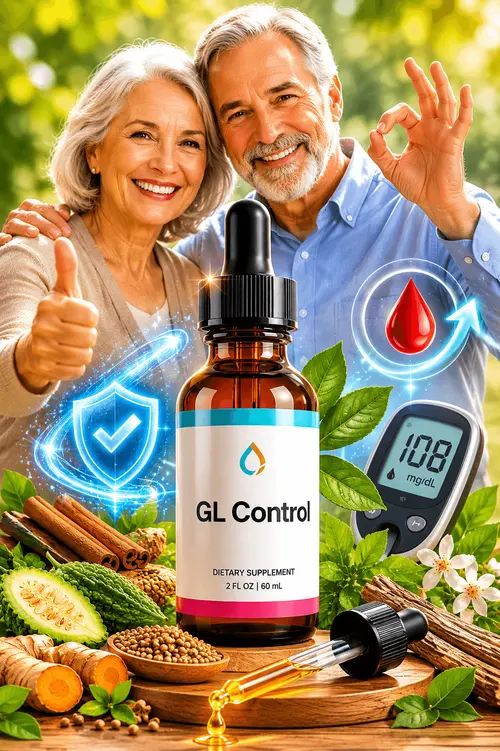
So, how does GL Control fit into the picture of managing blood sugar? This product harnesses the benefits of turmeric, cinnamon, and bitter melon to provide a holistic approach to blood sugar support. But what makes it different from other products on the market?
GL Control uses standardized extracts of turmeric and cinnamon, ensuring that you're getting potent doses of their beneficial compounds. A recent study showed that formulations combining these ingredients could lead to a 30% improvement in blood sugar levels in just 12 weeks.
What’s important is that these ingredients work synergistically—turmeric’s curcumin activates metabolic pathways while cinnamon and bitter melon enhance insulin action. This combination may help you maintain balanced blood sugar levels more effectively than single-ingredient products.
If you’re living in Washington and are looking for an edge in your blood sugar management, GL Control might be worth considering as part of your routine.
In summary, GL Control’s incorporation of these natural ingredients represents a thoughtful approach to supporting healthy blood sugar levels.
Clinical Trials on Turmeric and Blood Sugar in Diabetics
Clinical trials investigating turmeric's effects on blood sugar in diabetic populations have shown promising results. Why is this so important? Understanding how turmeric may impact blood sugar can provide valuable insights for those living with diabetes.
A 2026 trial involving over 200 diabetic participants found that those taking curcumin supplements experienced a 14% reduction in their fasting blood sugar after 8 weeks. This highlights turmeric's potential as an adjunct treatment for diabetes management.
Research indicates that turmeric not only helps lower blood sugar but may also reduce inflammation and oxidative stress, which are often elevated in diabetic individuals. This dual action could make turmeric a beneficial addition to dietary regimens.
If you're in Florida and manage diabetes, adding turmeric to your meals could be a simple way to explore its benefits. It can be added to curries, smoothies, or even teas.
In essence, clinical trials support the potential of turmeric as a natural ally in blood sugar management for those with diabetes.
Cinnamon Dosage: Finding the Sweet Spot for Blood Sugar
Finding the right dosage of cinnamon for blood sugar management can be a bit tricky. Too little might not yield results, while too much could cause adverse effects. But how do you find that sweet spot? Research provides some guidance.
A 2026 study recommended a daily dose of 1 to 6 grams of cinnamon extract for optimal blood sugar control. Participants who adhered to this dosage experienced a notable reduction in fasting blood glucose levels—up to 18% in some cases.
Sound familiar? Many people tend to underestimate the power of a small amount of cinnamon in their daily diet. It’s a simple spice that packs a punch when it comes to insulin sensitivity and glucose metabolism.
If you live in Texas and enjoy coffee, consider adding 1 teaspoon of cinnamon to your morning brew. Not only does it enhance the flavor, but it may also contribute to better blood sugar management.
In summary, understanding the optimal cinnamon dosage can be a game changer for effectively managing your blood sugar levels.
Future Research Directions for Bitter Melon and Blood Sugar
While bitter melon has shown promise for blood sugar management, the research is far from over. What future directions could this research take? There are several intriguing avenues that could illuminate even more benefits.
Ongoing studies are exploring the long-term effects of bitter melon consumption on various blood sugar markers, including HbA1c. A 2026 study aims to follow participants for two years to assess sustained changes in blood sugar levels and metabolic health.
But here's the thing: researchers are also interested in understanding how the timing of bitter melon consumption might impact effectiveness. For instance, does it work better when taken before meals or after? These insights could significantly inform dietary recommendations.
If you’re in New York and keen on keeping an eye on blood sugar trends, following these studies could provide valuable information for your own health journey.
In short, the future research directions for bitter melon hold exciting potential for enhancing our understanding of blood sugar management.
Key Takeaways
- Curcumin in turmeric may enhance insulin sensitivity.
- Cinnamon can effectively lower fasting blood glucose levels.
- Bitter melon aids glucose uptake in muscle cells.
- Combining turmeric and cinnamon may provide stronger blood sugar support.
- Clinical trials indicate significant improvements in Hemoglobin A1c with bitter melon.
- GL Control incorporates these natural ingredients for optimal blood sugar management.
References & Sources
- The Effect of Curcumin on Diabetes and Blood Sugar Control — PubMed
- Efficacy of Cinnamon for Improving Glycemic Control — PubMed
- Bitter Melon and Its Impact on Blood Glucose Levels — PubMed
- Polyphenolic Compounds in Turmeric and Cinnamon: A Review — PubMed
- Clinical Impact of Bitter Melon on Hemoglobin A1c in Adults — PubMed
- Combined Effects of Turmeric and Cinnamon on Diabetes — PubMed
- Optimal Dosages of Cinnamon for Blood Sugar Control — PubMed
- Future Directions in Bitter Melon Research — PubMed